4G or Wi-Fi: which solar camera is right for you?
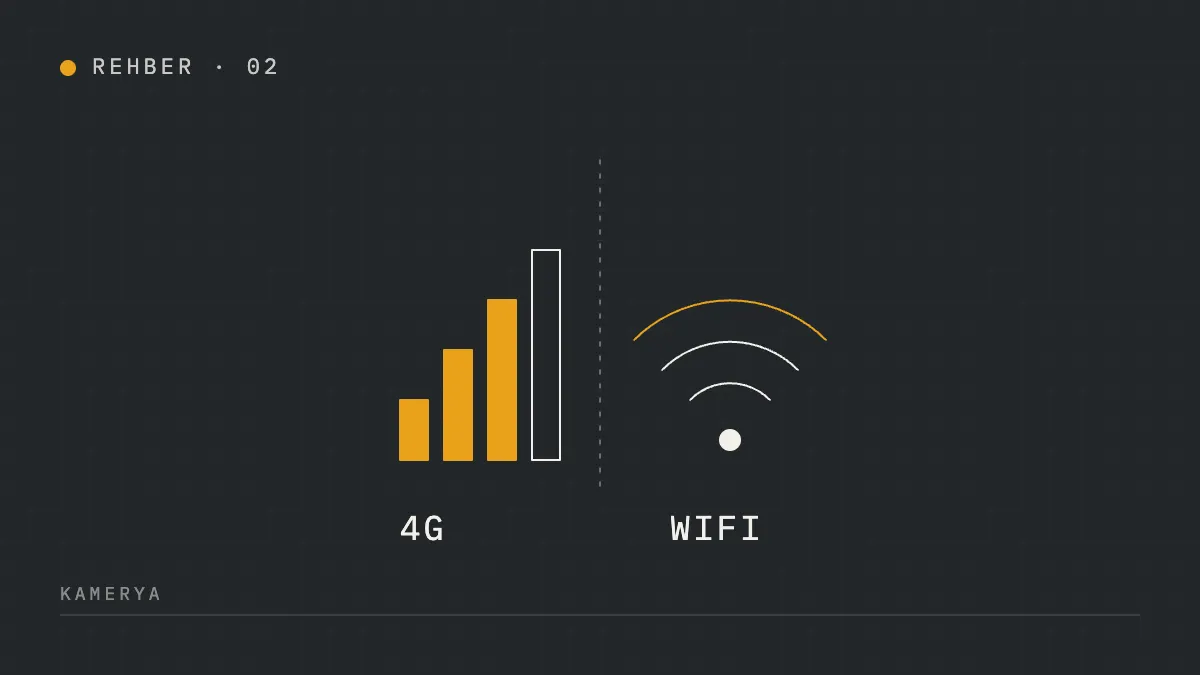
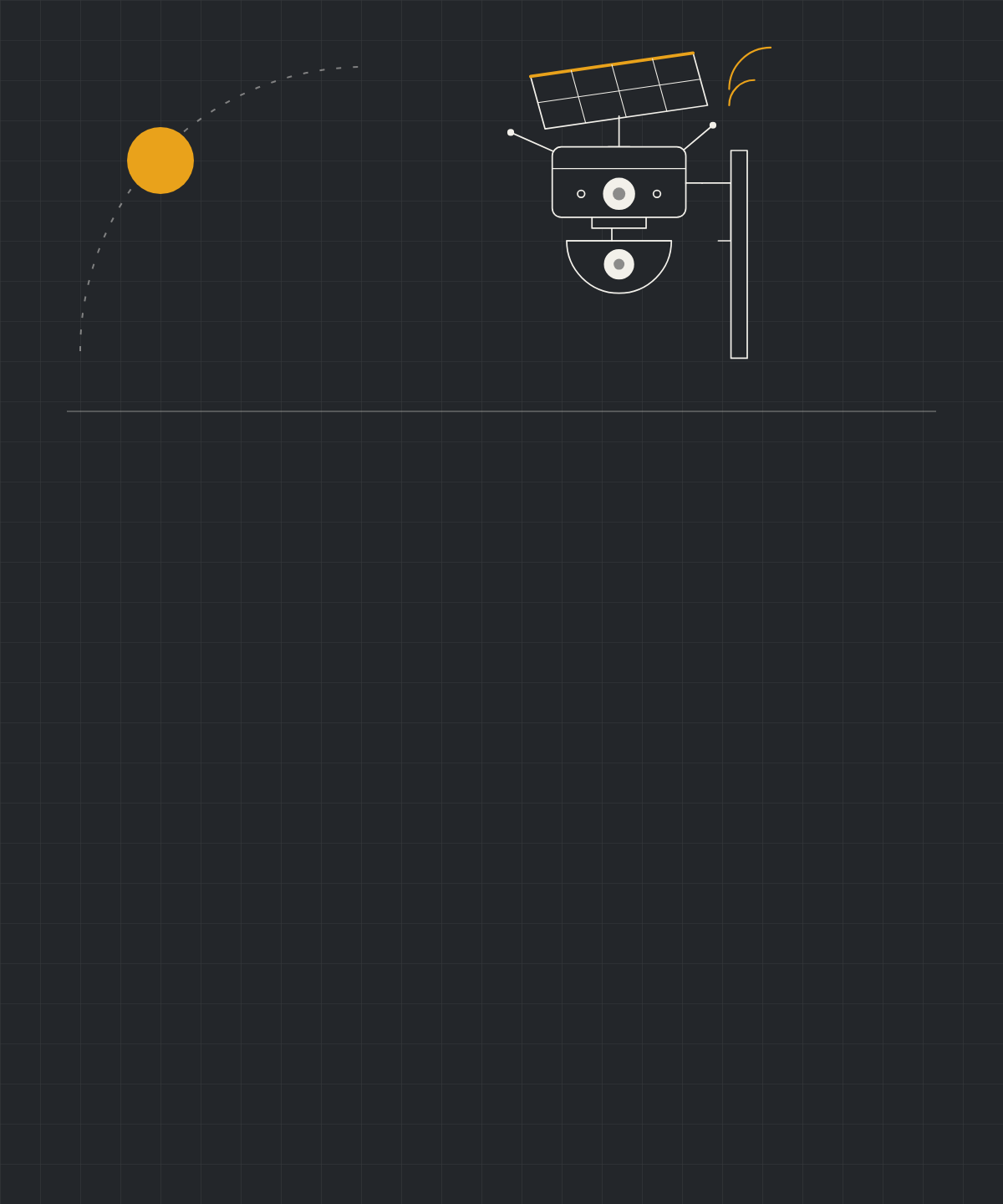
Short answer: if there is a reliable Wi-Fi network at the point where the camera will be mounted, a Wi-Fi solar camera is enough. If there is no Wi-Fi or the network does not reach that point, you need a 4G solar camera. With either, there is no need to run a power cable; the solar panel provides the energy.
What is the difference?
| 4G solar camera | Wi-Fi solar camera | |
|---|---|---|
| Connection | SIM card and mobile network | The Wi-Fi network of your home or workplace |
| Internet line | Not needed | Needed |
| Monthly cost | Data plan (3–5 GB a month for most uses) | Your existing internet |
| Best suited to | Vineyards, fields, construction sites, farms, empty plots, boats | Gardens, holiday homes, warehouse fronts within Wi-Fi range |
| Setup | Insert the SIM card, add the camera to the app | Connect to the Wi-Fi network, add the camera to the app |
When to choose 4G?
In places without an internet line, such as vineyards, fields, construction sites or farms, 4G is the only option. First check with your phone whether there is a 4G signal at the installation point.
When to choose Wi-Fi?
Where Wi-Fi reaches but running mains power is difficult, such as the garden of a home, holiday home or workplace, a Wi-Fi solar camera is enough and there is no SIM line cost.
Can you have both?
Some models are available with either 4G or Wi-Fi, so you can pick the same camera in the connection type you need. For example, the Solar 10x Optical Zoom Dual-Lens Camera (6010).
Next step
Related posts
- Choosing
How to choose a 4G solar camera